
 +91 9594449393
 +1 4847906355
 +63 9208320598
 +44 1519470017
 +84 908370948
 +7 9639173485
 +62 81808037776
 +90 5441016383
 +66 993367171
 +254 725235855
 +256 707194495
 +46 700548490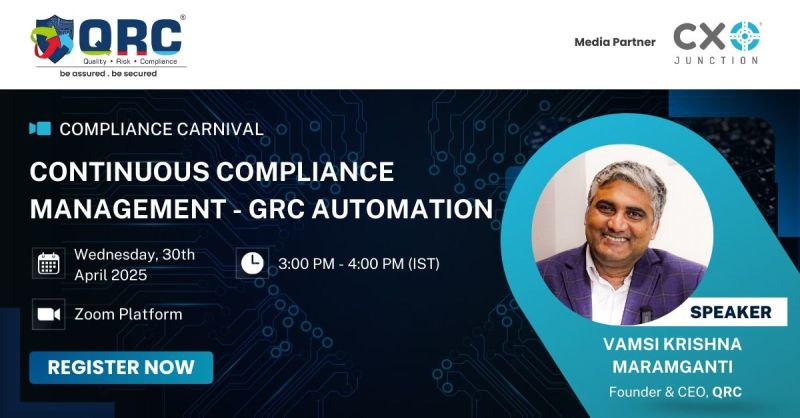
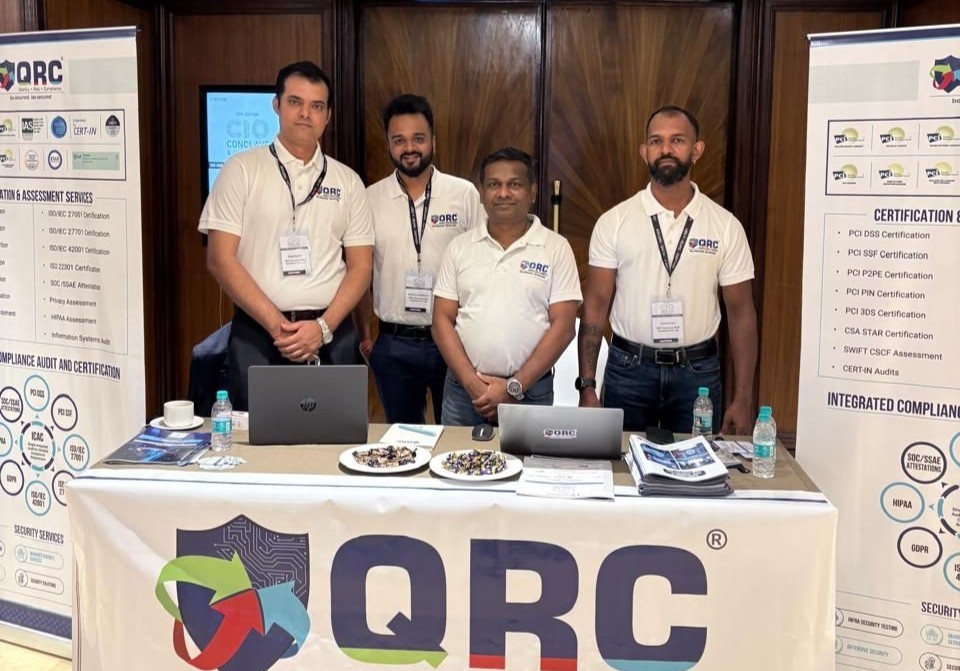
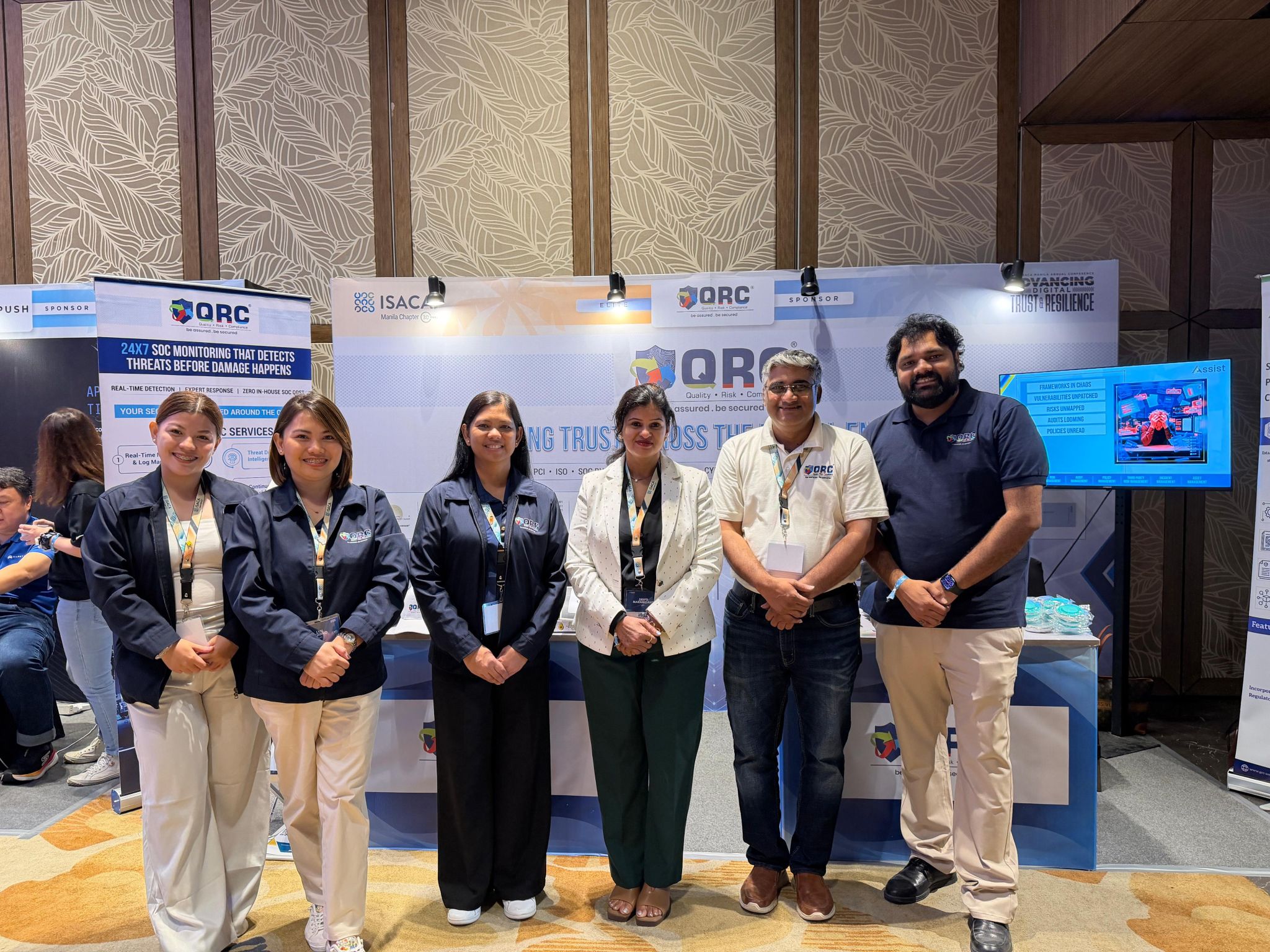
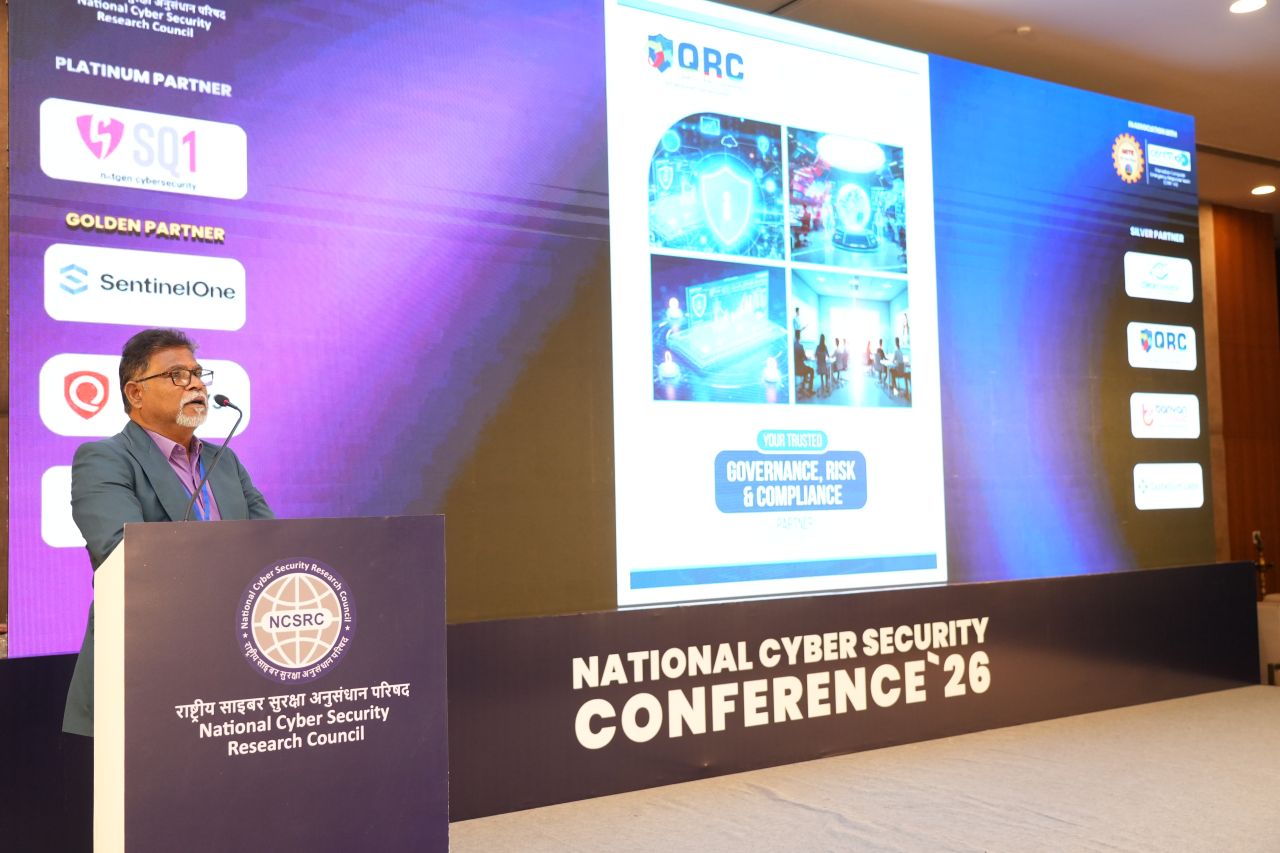
QRC Assurance and Solutions recently delivered a focused industry session on Continuous Compliance Management and how GRC Automation can significantly reduce audit preparation time across PCI DSS, ISO standards, SOC assessments, and regulatory frameworks. The discussion addressed a recurring challenge faced by organizations across BFSI, fintech, SaaS, and regulated sectors — compliance that is reactive, manual, and heavily dependent on last-minute audit coordination.
The Real Problem: Audit Preparation Is Still Manual
Despite investing in policies and certifications, many organizations continue to face:
- Last-minute evidence collection cycles
- Scattered documentation across departments
- Version inconsistencies in policies and standards
- Duplicate efforts across multiple frameworks
- Leadership visibility gaps during audit season
This reactive model increases operational stress, audit costs, and risk exposure.
From Event-Driven Compliance to Continuous Governance
A central takeaway from the session was clear: Audit readiness should be a byproduct of daily governance — not a quarterly scramble. Continuous Compliance Management enables organizations to:
- Monitor control effectiveness throughout the year
- Maintain centralized, real-time evidence repositories
- Assign clear control ownership and accountability
- Map controls across multiple standards
- Detect gaps before auditors do
This approach transforms audits from disruption events into validation checkpoints.
How GRC Automation Reduces Audit Prep Time
The session explored how structured GRC automation frameworks help organizations:
- Auto-map controls across PCI DSS, ISO 27001, SOC 2, and regulatory requirements
- Automate workflow approvals and evidence tracking
- Generate audit-ready dashboards and reports instantly
- Reduce manual spreadsheet dependency
- Improve cross-functional collaboration between IT, Risk, and Compliance
For organizations managing complex regulatory obligations, automation is no longer a convenience — it is an operational necessity.
Strategic Implications for Enterprises
Organizations that adopt continuous compliance models benefit from:
- Reduced audit preparation time
- Lower compliance operational costs
- Improved regulatory defensibility
- Stronger board-level visibility
- Enhanced enterprise risk maturity
The shift from periodic audit cycles to continuous monitoring represents the future of scalable governance.
QRC’s Commitment to Automation-Driven Compliance
Through this session, QRC reaffirmed its commitment to helping organizations modernize their compliance ecosystems through:
- PCI DSS v4.0.1 readiness programs
- Integrated audit frameworks
- Risk-driven governance design
- GRC automation advisory and implementation support
QRC continues to support enterprises in moving from fragmented compliance processes to structured, technology-enabled governance models.
Streamline Your Compliance & Cut Audit Prep Time
If your organization is still preparing for audits through manual evidence collection and cross-department coordination, it’s time to rethink the model. Whether you require:
- A continuous compliance roadmap
- GRC automation advisory
- PCI DSS alignment
- Integrated multi-framework audit optimization
Connect with QRC to reduce audit preparation time and build a continuous, automation-driven compliance framework.
View Session Highlights
Read more about the session on our official LinkedIn post:
https://www.linkedin.com/posts/qrc-assurance_grc-riskmanagement-pcidss-activity-7321411358485307392-lBEC